I. What are the core characteristics of TPO waterproof membrane?
1. Excellent Weather Resistance and Aging Resistance
TPO roofing membranes possess excellent resistance to UV rays, ozone, and extreme temperatures. Their stable polymer structure provides long-term resistance to natural aging, maintaining elasticity and waterproof integrity even in harsh environments with extreme temperatures and strong sunlight.
2. High Flexibility and Crack Resistance
The material exhibits good low-temperature flexibility and extensibility, adapting to minor deformations caused by temperature changes or structural settlement in the roof, effectively preventing cracks and eliminating the risk of leakage.
3. Environmentally Friendly and Sustainable Properties
TPO materials are free of chlorine, lead, and other harmful substances. No toxic substances are released during production and construction, meeting green building standards. Their recyclability helps reduce construction waste and supports a circular economy.
4. Chemical Corrosion Resistance
They exhibit good resistance to common acids, alkalis, salts, and other chemical media, making them suitable for roof waterproofing in corrosive environments such as industrial plants, chemical parks, and coastal areas.
5. Convenient and Efficient Construction
The roll material is easy to handle and flexible to lay. The joints are welded by hot air or hot wedge welding to form a strong and reliable continuous waterproof layer, which greatly improves construction efficiency.
II. What are the key points of standardized construction techniques?
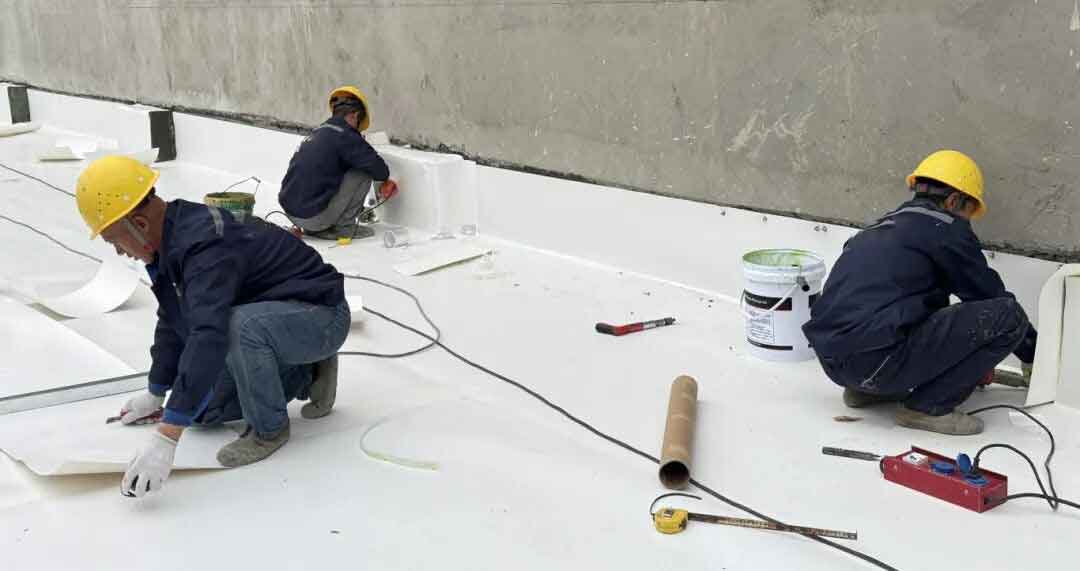
1. Substrate Preparation
Ensure the substrate is flat, firm, dry, and free of protrusions and loose particles. Corners and joints should be rounded to provide an ideal base surface for the roll material installation.
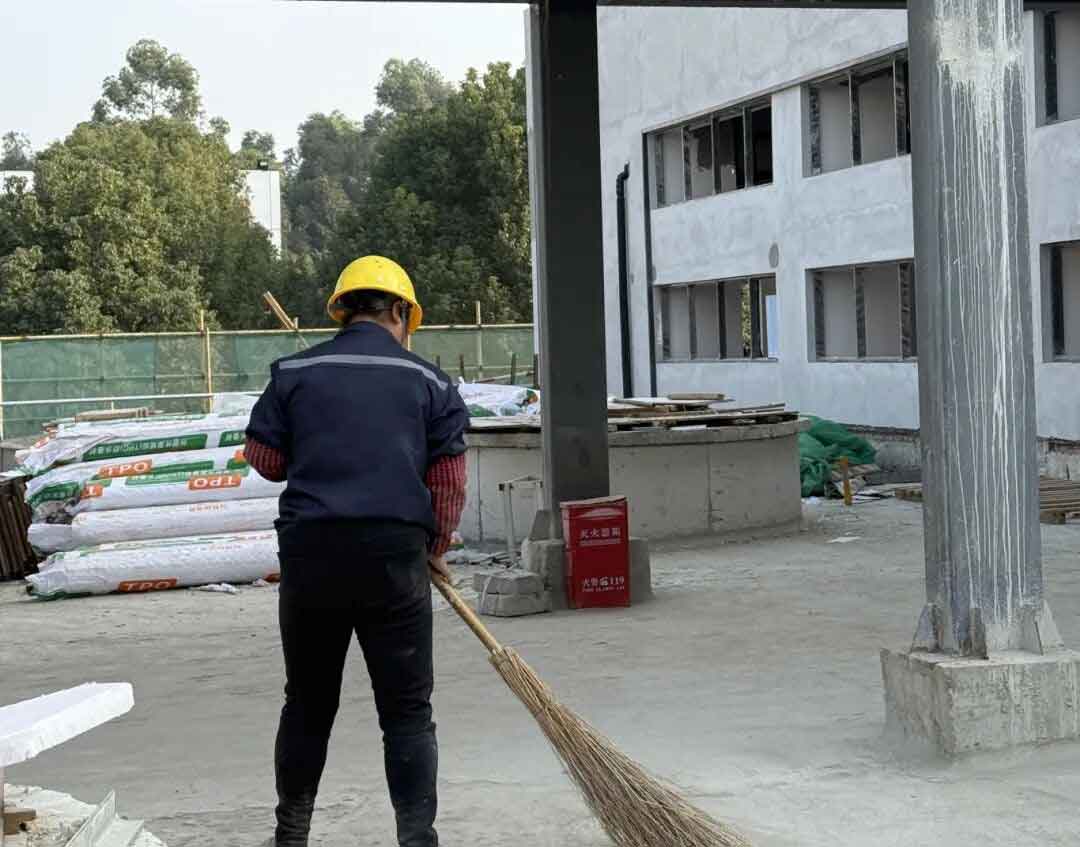
2. Pre-laying and positioning
Pre-lay the roll material according to the design, adjust the overlap width (usually not less than 100mm), and plan the roll material direction reasonably to reduce on-site cutting and waste.
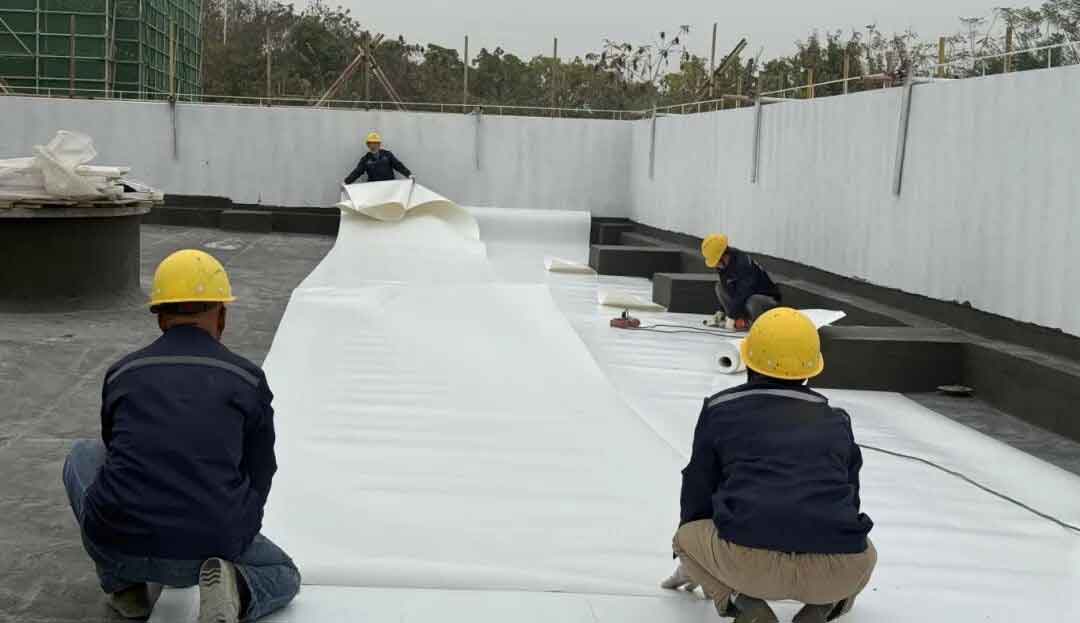
3. Welded Joints
Professional hot air welding equipment is used, with strict control over temperature and travel speed to ensure continuous, uniform, and bubble-free welds. 100% inspection is conducted to ensure reliable sealing.
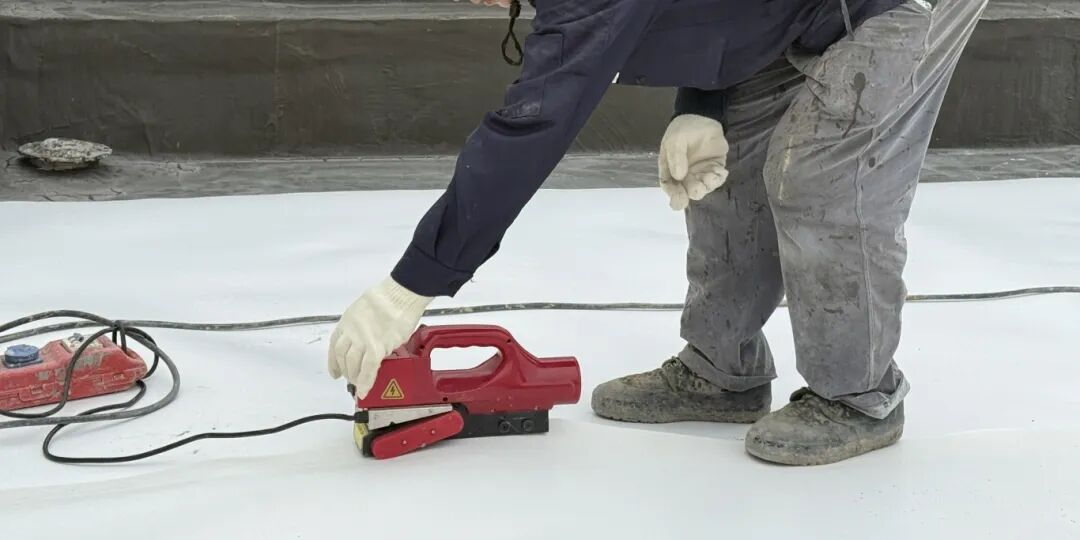
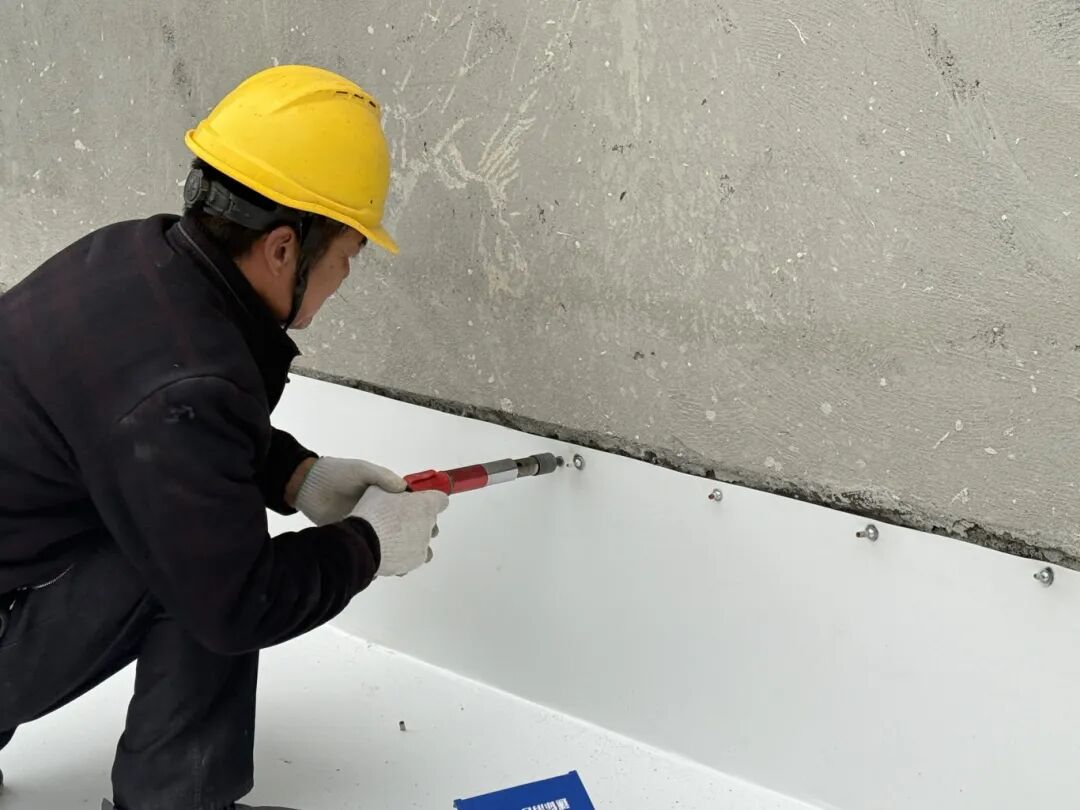
4. Mechanical Fixing
Use specialized fasteners according to design requirements, and arrange the spacing and quantity reasonably to ensure that the roll material does not shift or loosen under wind force.
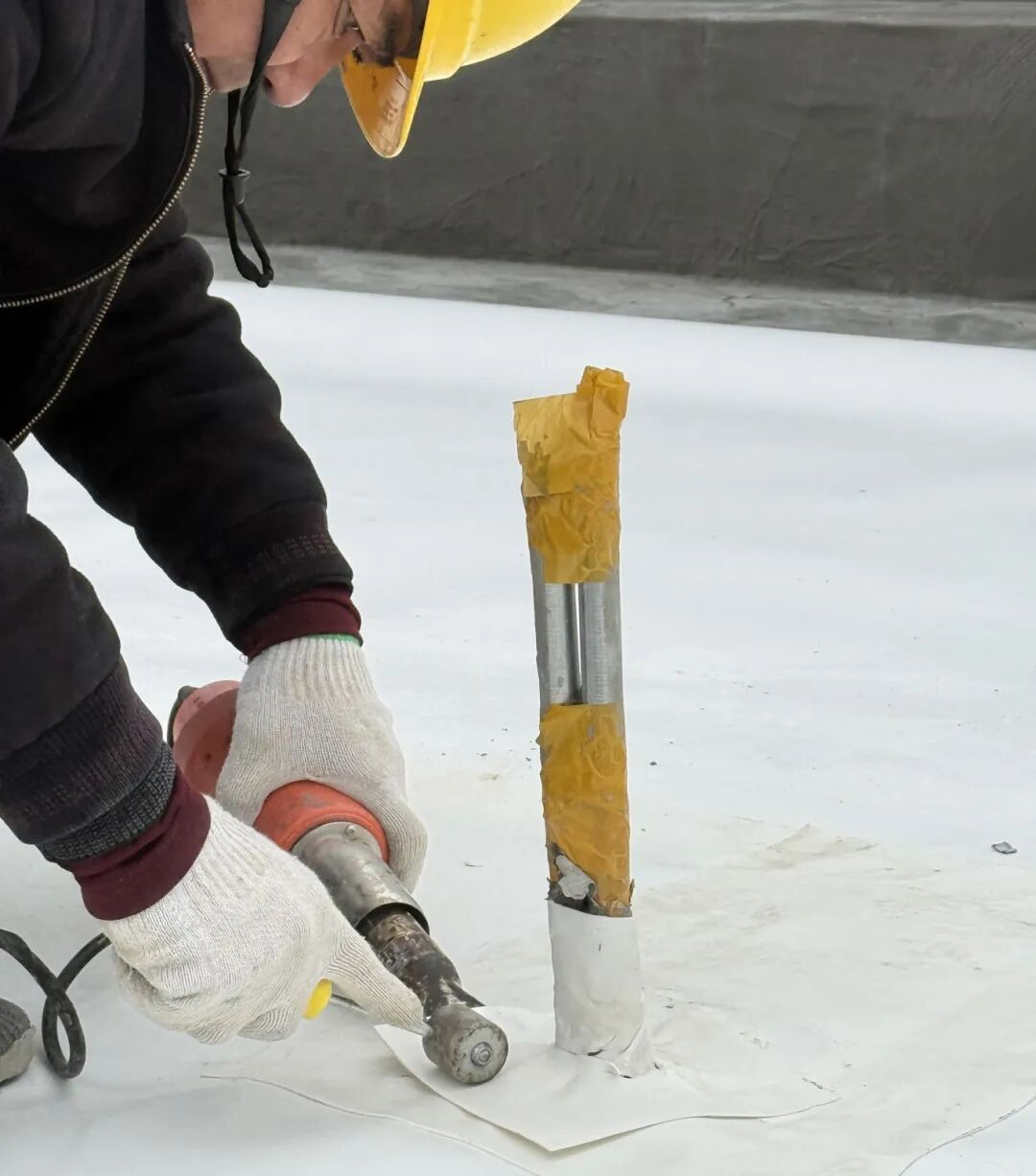
5. Detailed Reinforcement
For critical areas such as pipe penetrations, skylights, and eaves, TPO prefabricated components or additional layers are used for enhanced sealing to achieve full-system waterproofing.
6. Completion Acceptance
Inspect the appearance for flatness, weld quality, and fixing points. If necessary, conduct on-site water flushing or water retention tests to verify the integrity and reliability of the waterproof layer.
III. What are the key advantages of rooftop projects?
1. Extra-Long Service Life:TPO rolls exhibit excellent aging resistance, with a service life exceeding 30 years, significantly longer than traditional asphalt-based materials, reducing the frequency of maintenance and replacement throughout their lifecycle.
2.Energy Saving and Heat Reflection Effect:Light-colored or white TPO surfaces possess high solar reflectivity (SR) and hemispherical emissivity (HE), effectively reducing roof temperature, alleviating building cooling load, and saving air conditioning energy.
3.High Overall Construction Efficiency:The lightweight material and mature welding technology enable rapid, large-area construction, shortening the construction period and reducing labor and equipment input, resulting in significant overall economic benefits.
4. Strong Environmental Adaptability:Balancing flexibility and strength, it is suitable for various structures including flat roofs, pitched roofs, and irregular roof shapes; its chemical stability also broadens its application range in special industrial environments.
5.Easy Maintenance and Low Cost:The waterproofing layer is durable and reliable, requiring minimal daily maintenance; damaged areas are easy to locate and repair. The material's recyclability also reduces future demolition and disposal costs.
Conclusion
TPO waterproof membranes, with their comprehensive advantages such as weather resistance, flexible construction, and environmental friendliness, have become an important choice for modern roof waterproofing projects. They not only enhance the waterproofing safety and durability of buildings but also respond to the demands of green building and sustainable development through energy conservation, resource recycling, and other characteristics. With continuous optimization of material formulations and the maturation of construction technologies, TPO waterproof membranes will undoubtedly play a crucial role in more roofing systems, providing reliable guarantees for building quality and environmental protection.
In the future, further promoting the integrated application of TPO membranes with new roofing systems such as photovoltaic roofs and green roofs will help achieve the integration of multiple functions including waterproofing, energy conservation, power generation, and ecology, opening up broader prospects for building technology.